
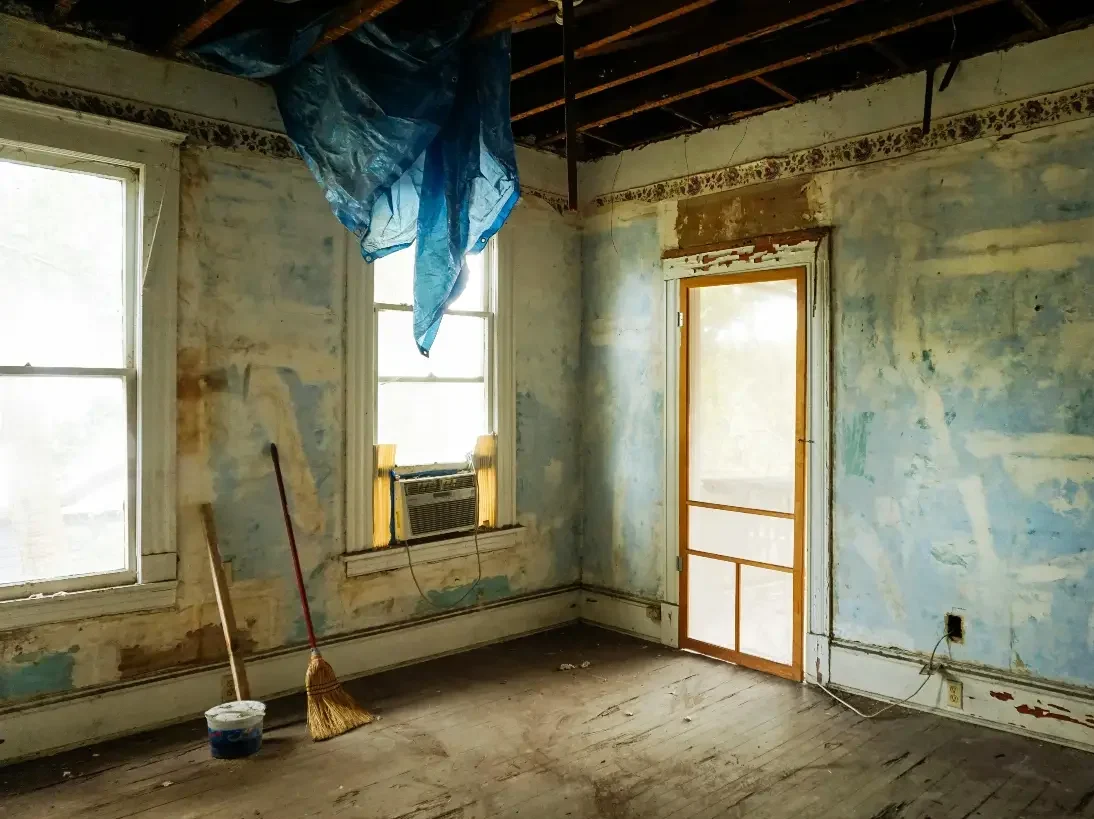
Over the past 30 years, Metro Private Lending has financed more than $370 million in Arizona real estate transactions, many of them rehab and fix-and-flip projects. During that time, we’ve seen how contractor timelines, renovation scope, permit delays, budgeting mistakes, and unrealistic ARV expectations can directly affect project profitability.
This guide explains how rehab loans work in Arizona, how investors typically use them, and some of the most common issues borrowers run into before and during renovation projects.
What Is a Rehab Loan?
A rehab loan is a short-term financing tool that covers both the acquisition of a property and the cost of renovating it. Unlike a traditional mortgage, which is based on the current condition of a property, a rehab loan is structured around the property’s after-repair value (ARV) — what it will be worth once renovations are complete.
For real estate investors in Arizona, this distinction matters. Many of the most profitable opportunities in markets like Phoenix, Glendale, Tempe, Chandler, and Tucson involve properties that are distressed, outdated, or in conditions that traditional lenders will not finance. Rehab loans are designed specifically for these situations.

Why Arizona Investors Commonly Use Rehab Financing
Arizona investors commonly use rehab loans for:
- Fix-and-flip projects
- Bridge-to-rental strategies
- Distressed or inherited properties
- Auction purchases requiring fast closings
- Vacant homes needing repairs before occupancy
- Moderate to heavy rehab projects
- Outdated homes requiring modernization
- Value-add opportunities in appreciating neighborhoods
Many investors also use rehab financing strategically before transitioning into a bridge-to-rental strategy once the property is stabilized.
In competitive Arizona markets, rehab financing also allows investors to compete more effectively against cash buyers by shortening acquisition timelines.
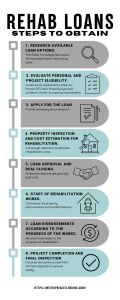
What We See in Arizona: The Real Rehab Landscape
Most generic rehab loan guides describe financing in the abstract. What they often fail to explain is what rehab investing actually looks like in Arizona — and the specific challenges that frequently catch investors off guard.
Older Phoenix-Area Homes Have Hidden Costs
A significant portion of the fix-and-flip opportunities in metro Phoenix involves homes built between the 1960s and 1980s in neighborhoods like Glendale, Tempe, central Phoenix, and parts of Mesa.
These properties frequently have:
- Aluminum wiring
- Aging sewer laterals
- Original electrical panels
- HVAC systems at or beyond the end of their useful life
We routinely see rehab budgets increase by $15,000 to $30,000 on deals where investors priced projects using only listing photos and comparable sales without accounting for these property-specific issues.
Many investors underestimate how frequently hidden repairs appear only after demolition begins. Sewer scopes, electrical inspections, and contractor walkthroughs before closing are often some of the highest-return due diligence steps investors can take on older Arizona homes.
Arizona Summers Affect Project Timelines
Roofing, exterior paint, stucco work, and other exterior improvements are commonly delayed during peak summer months due to extreme heat.
For projects operating on 6-month loan timelines, even a 3-to-4-week delay can increase carrying costs and affect resale timing.
Out-of-state investors often build schedules using timelines from their home markets without accounting for Arizona contractor demand and seasonal scheduling slowdowns.
Contractor Availability Is a Real Constraint
During peak investor activity periods, experienced contractors in metro Phoenix are frequently booked several weeks out before they can begin work.
One of the biggest differences we see between investors who consistently hit timelines and those who do not is whether contractor relationships were already established before closing.
Permit Timelines Vary by Municipality
Permit approval timelines vary significantly across Arizona municipalities, especially for structural, electrical, or addition-related work.
Investors planning moderate or heavy rehab projects should confirm permit timelines with both their contractor and municipality before acquisition whenever possible.
How Rehab Loans Work at Metro Private Lending
The mechanics of a rehab loan differ from those of a traditional mortgage in several important ways. Here is how the process typically works at MPL.
Fast Closings: 5–14 Days
One of the primary reasons investors use rehab loans instead of conventional financing is speed.
MPL can close in as few as 5–14 days compared to 30–60 days for many conventional loans.
In competitive Arizona markets, that speed is often the difference between securing a deal and losing it.
Loan Structure: Purchase + Rehab
MPL structures rehab loans to cover both acquisition and renovation costs.
Typical structures include:
- Up to 90% of the purchase price is financed
- Up to 100% of the approved rehab budget is financed through draws
- Combined loan is generally capped at around 65% of ARV
This means the investor’s out-of-pocket contribution usually covers closing costs, reserve requirements, and the difference between the financed amount and purchase price.
Rehab Draws: How Funds Are Released
Rehab funds are not distributed as a lump sum at closing. Instead, funds are released through staged draws tied to renovation milestones and inspections.
Typical draw milestones may include:
- Demo and rough framing
- Plumbing and electrical rough-ins
- Drywall and interior finishes
- Final punch list completion
This structure helps keep projects organized while reducing risk for both the lender and investor.
Loan Terms and Extensions
Most rehab loans at MPL have initial terms of 6–12 months with interest-only payments during renovation.
If projects run longer than anticipated due to contractor delays, permit timelines, or unexpected repairs, extensions may be available.
Projects that communicate early about delays generally have significantly more flexibility than borrowers who wait until maturity to address extension needs.
Borrower Requirements
MPL lends to LLCs and corporations rather than individuals personally. First-time investors can qualify if the deal itself is strong.
The strongest rehab loan applications usually include:
- A realistic renovation budget
- Conservative ARV assumptions
- A clear exit strategy
- Contractor documentation
- Liquidity reserves for contingencies
Real Deal Examples from MPL’s Portfolio
These are based on real project structures financed through MPL. Borrower details are omitted for privacy.
Example 1 — Cosmetic Flip in Phoenix
| Project Detail | Information |
|---|---|
| Purchase Price | $285,000 |
| Rehab Budget | $45,000 |
| ARV | $410,000 |
| Loan Structure | 90% purchase + 100% rehab via draws |
| Timeline | Approximately 5 months |
| Outcome | Property sold, and the investor used the profits to fund additional projects |
The renovation focused primarily on cosmetic improvements, including flooring, kitchen updates, bathrooms, paint, and landscaping.
📋 Case Study: Heavy Rehab with Unexpected Costs
The Scenario: A borrower purchased a distressed inherited property in the Phoenix metro area with significant deferred maintenance. Traditional financing was not an option due to the property’s condition.
The Challenge: Midway through renovations, demolition revealed major plumbing issues that were not visible during the initial inspection.
The Outcome: Because the investor had budgeted contingency reserves in advance, the project was completed without major delays or loan restructuring. The property ultimately sold above the original ARV projection due to strong neighborhood demand and disciplined project management.
Key Takeaway: This scenario is one of the clearest examples of why contingency reserves matter on older Arizona properties, where plumbing, electrical, or structural surprises are common after demolition begins.
🔄 Case Study: Bridge-to-Rental Strategy
The Scenario: An investor acquired a vacant Phoenix property requiring moderate repairs. Instead of waiting to secure long-term financing for a property that would not qualify in its current condition, the investor used bridge financing to close quickly before competing buyers could act.
The Execution: Renovations were completed in approximately 90 days. Once stabilized, the investor refinanced into long-term DSCR financing and retained the property as a rental.
Key Takeaway: The bridge loan allowed the investor to preserve liquidity for additional acquisitions while scaling a long-term rental portfolio.
Common Rehab Budgeting Mistakes MPL Sees
After reviewing hundreds of Arizona rehab deals, the mistakes that most consistently derail projects are usually predictable issues rather than dramatic investment failures.
Underestimating Renovation Costs
Older Arizona homes often contain hidden plumbing, electrical, HVAC, or structural issues that only appear after demolition begins. Many experienced investors automatically budget contingency reserves on pre-1990 Arizona properties because deferred maintenance issues are so common.
Missing Carrying Costs
Loan interest, taxes, insurance, utilities, and HOA fees can materially impact profitability during longer rehab timelines. A project that runs 30–45 days longer than expected can significantly reduce margins even if the renovation itself stays on budget.
Inflated ARV Assumptions
The strongest investors are usually conservative when estimating resale value. Using aspirational comparable sales instead of recently closed comps is one of the fastest ways to create unrealistic profit expectations. Investors can use our Loan Calculator to model financing costs before committing to a project.
No Contingency Reserve
Unexpected repairs are common during rehab projects, particularly on the older Arizona housing inventory. Many investors underestimate how frequently sewer, electrical, and HVAC surprises appear after acquisition.
Contractor Selection Based Only on Price
The lowest bid is not always the safest or most reliable option. Contractor communication, permit experience, scheduling reliability, and project management discipline often matter more than simply choosing the cheapest estimate.
No Clear Exit Strategy
Successful investors usually define their resale or refinance strategy before closing rather than after renovations begin.
📊 Don’t Leave Your Project Margins to Guesswork
As outlined in the mistakes above, overlooking minor hidden details or miscalculating carrying costs can immediately erase your profit margins on older Arizona properties. Professional operators protect themselves by working through a standardized evaluation structure.
Download our exclusive workbook: The Arizona Investor Starter Checklist (2026)
This real-world framework is designed to help you analyze your first deal with absolute confidence, featuring:
- 5-Step Deal Due Diligence Worksheet: Verify structural condition, real rental/ARV comps, and true holding costs before closing.
- Risk Evaluation Matrix: Built-in safeguards to model your conservative assumptions and plan alternative exit strategies.
- Your First 30 Days Playbook: A weekly structural plan to track market trends, vetted connections, and property analyses systematically.
Not ready to download the full playbook? Try our Deal Analyzer to evaluate financing costs, project budgets, and potential returns on your next rehab opportunity.
What MPL Looks For in a Rehab Deal
MPL is an asset-based lender. That means we evaluate deals primarily on the strength of the property and the investment strategy rather than focusing exclusively on a borrower’s personal income documentation.
Here are some of the biggest factors we evaluate:
A Realistic ARV
Actual comparable sales matter more than optimistic projections.
A Clear Exit Strategy
The strongest investors understand how they plan to exit the project before acquisition.
Renovation Budget + Contingency Planning
Projects involving older Arizona homes should include reserves for unexpected repairs.
Contractor Experience
Licensed, vetted contractors with local municipality experience reduce project risk substantially.
Local Market Understanding
Understanding neighborhood pricing differences and local demand trends is critical, especially for out-of-state investors.
The investors who consistently perform well are rarely the most aggressive. They are usually the most disciplined in underwriting, budgeting, and timeline management.
When a Hard Money Rehab Loan Makes the Most Sense
Not every situation calls for a hard money rehab loan. However, there are specific situations where this type of financing is often the most practical option.
Common scenarios include:
- The property does not qualify for conventional financing due to condition issues
- Investors need to close within 5–14 days
- The property was acquired through probate, auction, or inheritance
- Borrowers have strong deals, but nontraditional income documentation
- Investors want to preserve liquidity across multiple projects
- Properties require repairs before refinancing into long-term financing
- Investors are competing against cash buyers in fast-moving markets
For many Arizona investors, speed and flexibility matter more than securing the lowest long-term interest rate.
Typical Arizona Rehab Project Timelines
One of the most common planning mistakes we see is investors using timelines from other markets that do not account for Arizona-specific variables.
| Project Type | Rehab Scope & Focus | Typical Rehab Duration | Target Exit Strategy |
| Cosmetic Flip | Flooring, kitchen/bath updates, paint, and landscape | 30 – 90 Days | Fast Retail Resale (MLS) |
| Moderate/Heavy Rehab | Structural, full mechanicals, permitted additions | 3 – 6+ Months | Flip / Premium Retail Sale |
| Bridge-to-Rental | Clean stabilization, durable finishes, high ROI updates | 60 – 120 Days | Refinance into long-term DSCR |
Frequently Asked Questions
How quickly can MPL close a rehab loan?
In many cases, rehab loans can close within approximately 5–14 business days, depending on appraisal availability and documentation readiness.
Do I need prior flipping experience to qualify?
No. MPL works with both first-time investors and experienced operators. The strength of the deal often matters more than prior project history.
Can I finance 100% of the rehab costs?
Yes. MPL can finance up to 100% of approved rehab costs through staged draws, subject to overall ARV limitations.
What happens if renovation costs go over budget?
Unexpected costs are common in rehab projects. Early communication is critical when project budgets or timelines begin shifting.
Do rehab loans require inspections before draw releases?
Yes. Rehab draw funds are typically released after inspections confirm that project milestones have been completed.
Do you lend to individuals or only to LLCs?
MPL lends to entities such as LLCs and corporations rather than individuals personally.
What types of properties does MPL not finance?
MPL generally does not finance owner-occupied primary residences, rural properties without clear marketability, or projects where reliable ARV analysis is not possible.
Are there prepayment penalties?
Prepayment terms vary depending on the loan structure. Investors should review these terms before closing.
The Bottom Line on Arizona Rehab Financing
Rehab loans are uniquely structured to unlock substantial equity in properties that traditional banks simply will not touch. However, scaling a profitable fix-and-flip or bridge-to-rental portfolio in Arizona demands localized underwriting, realistic budgeting, and an agile private financing partner who understands local market variables.
For over 30 years, Metro Private Lending has been on the ground helping real estate operators navigate municipal permit backlogs, unexpected repair scopes, and strategic acquisition structures. If you want to protect your next project timeline and optimize your long-term returns, let’s look at the numbers together.
Ready to Field-Test Your Next Arizona Deal?
Whether you have an off-market property under contract in Phoenix or you are analyzing an upcoming wholesale transaction in Tucson, our underwriting team can provide a preliminary deal structure read within 24 hours.


