
How Trump’s 2025 Tariffs Could Reshape the U.S. Real Estate Market
The Impact of Trump’s Policies on the U.S. Real Estate Market in 2025: Tariffs, Deportations, and More
The U.S. real estate market in 2025 is being shaped by the policies of former President Donald Trump, who implemented measures such as trade tariffs and mass deportations. These actions are not only affecting construction costs and labor availability but are also influencing mortgage rates, home prices, and investment decisions. In this article, we’ll explore how Trump’s policies are transforming the real estate sector and what buyers and investors can do to adapt to this new landscape.
1. Trump’s Trade Tariffs and Their Impact on the Real Estate Market
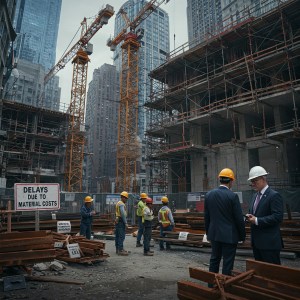
Donald Trump imposed tariffs of 25% on imports from Mexico and Canada and 10% on imports from China, aiming to protect the U.S. economy and combat illegal immigration and drug trafficking. These tariffs have directly increased construction costs, as materials like lumber and steel have become significantly more expensive. According to Bankrate, this has led to higher home prices, affecting both buyers and investors.
- Rising Material Costs:
Tariffs on construction materials have increased the costs of building and renovation projects, resulting in higher prices for consumers. - Effect on Mortgage Rates:
The inflation caused by tariffs could lead to higher interest rates, including mortgage rates. This might discourage potential buyers, especially those relying on financing to purchase homes.

2. Mass Deportations and Their Effect on the Labor Force
Trump announced the largest deportation program in U.S. history, targeting undocumented immigrants who have committed crimes or whose asylum applications were denied. This has raised concerns in the construction sector, where immigrants comprise approximately 30% of the workforce.
- Shrinking Labor Supply:
The deportation of immigrant workers has created a labor shortage in construction, driving up labor costs and, in turn, home prices. - Impact on the Broader Economy:
Immigrants not only contribute to construction but also consume goods and pay taxes. Their absence could slow overall economic growth.
3. Real Estate Market Trends in 2025
The real estate market in 2025 is marked by several key trends that complement and expand the impact of Trump’s policies:
- Growth of Flexible Rentals and Co-living:
With changing work habits, renters are seeking more flexible rental options and co-living spaces, which offer shared and private areas within the same community. - Sustainability and Energy Efficiency:
Sustainability has become a priority, with a focus on energy-efficient renovations and the construction of eco-friendly homes. This includes the use of solar panels, water recycling systems, and green materials. - Conversion of Commercial Spaces into Housing:
The transformation of offices and commercial spaces into residential units is on the rise, especially in urban areas where housing demand is high.
4. Tips for Investors and Homebuyers
In this challenging environment, both investors and homebuyers must make informed decisions. Here are some recommendations based on analyses from Bankrate and BiggerPockets:
- For Investors:
- Diversify your portfolio to mitigate risks.
- Consider investing in existing properties to avoid high construction costs.
- Stay updated on fluctuations in material prices like lumber and steel.
- For Homebuyers:
- Compare mortgage rates from different lenders.
- Improve your credit score to secure better financing terms.
- Explore options in less central areas, where prices may be more affordable.
5. Long-Term Outlook

According to J.P. Morgan, the uncertainty caused by tariffs and deportations may persist in the short term. However, investors focusing on long-term strategies and maintaining diversified portfolios will be better equipped to navigate these challenges.
- Market Volatility:
Markets are likely to experience increased volatility, so it’s essential to stay calm and avoid impulsive decisions. - Opportunities in Real Estate:
Despite the challenges, opportunities still exist. For example, the demand for affordable housing remains high, which could be a niche for savvy investors.
Conclusion
Donald Trump’s policies, including trade tariffs and mass deportations, are having a significant impact on the U.S. real estate market and the broader economy. From rising construction costs to labor shortages, these factors are reshaping the landscape for investors and homebuyers. However, with careful planning and a long-term focus, it’s possible to navigate these challenges and find opportunities amid the uncertainty.
Metro Private Lending: Your Partner in Smart Debt Solutions
Are you a real estate investor looking to unlock the potential of your investments? Metro Private Lending can help. By leveraging our fast approval and funding processes, you can swiftly acquire and renovate properties, allowing for a quicker turnaround and the potential for higher returns.
Contact us today at 602-699-3501 or email Christopher@metro-az.com to learn more. You can also visit our website to begin your online application