
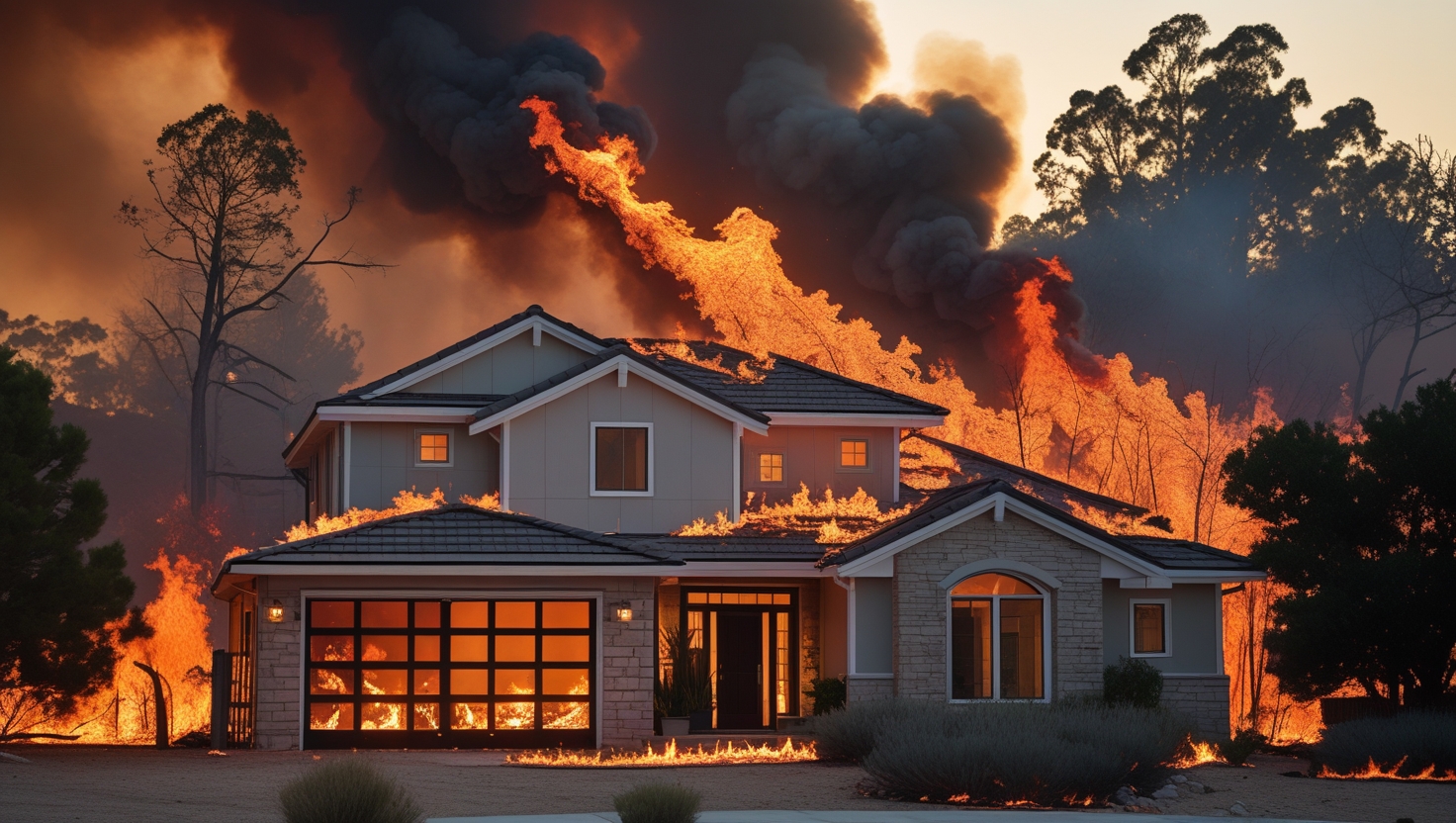
Protecting Properties from Wildfires: Key Strategies and Lessons Learned
Wildfires have become an increasingly devastating force, destroying homes and landscapes across fire-prone regions. But is it possible to protect your property from such disasters? The answer is yes—with the right strategies, materials, and proactive measures. In this blog post, we’ll explore key insights and practical steps to safeguard your property from wildfires, drawing from real-life examples and expert recommendations.
The Importance of Fire-Resistant Construction

One of the most effective ways to protect your property from wildfires is through thoughtful construction and design. As highlighted in a recent podcast, the materials and techniques used during the building process can make a significant difference in a property’s ability to withstand fire.
For instance, David Steiner’s home, constructed with stone and stucco to resist earthquakes, also proved to be highly fire-resistant. Steiner noted, “The architecture is pretty nice. But the stucco and fireproof roof are real nice.” Similarly, Greg Chasen’s home in Pacific Palisades utilized fire-resistant materials and strategic design to prevent sparks from entering the property. Chasen emphasized, “All of that is best practice for cutting a fire.”
These examples underscore the importance of prioritizing fire-resistant materials and designs, especially in areas prone to wildfires.
Practical Measures to Protect Your Property

Whether you’re building a new property or retrofitting an existing one, there are several steps you can take to enhance fire resistance:
- Fire-Resistant Siding and Roofing
Materials like fiber cement, metal, brick, stucco, and magnesium are excellent choices for siding. For roofing, consider clay/terracotta, slate, metal, or fire-resistant composite materials. Fiber cement, in particular, is an affordable and effective option. - Fire-Resistant Windows and Doors
Installing fire-resistant glass and replacing wooden frames with fire-resistant alternatives can significantly reduce the risk of fire penetration. While these materials are more common in commercial buildings, they are increasingly becoming a worthwhile investment for residential properties, especially in fire-prone areas. - Defensible Space
Maintaining a defensible space—clearing flammable materials like dry vegetation, leaves, and debris within the first 30 meters of your property—is crucial. This creates a buffer zone that can help slow or stop the spread of fire. - Irrigation Systems
Installing irrigation systems, such as sprinklers connected to a water source like a pool, can help keep your property hydrated during fire season. This is particularly effective for maintaining moisture in the surrounding vegetation and structures. - Non-Flammable Landscaping
Replace natural grass with fire-resistant alternatives like artificial turf, stone, or concrete. Additionally, use landscaping features such as water elements or concrete barriers to create firebreaks. - Regular Maintenance
Keep gutters clean, remove flammable substances from around your home, and ensure that outdoor furniture and decorations are fire-safe. Hiring a maintenance company can help ensure your property remains in optimal condition, especially during fire season.
Community Responsibility and Collaboration
Protecting properties from wildfires isn’t just an individual effort—it requires community-wide action. Neighbors must work together to create fire-resistant zones, share resources, and support one another in maintaining defensible spaces. As one expert noted, “Even with preventative measures against fire, there’s still no guarantee that one spark igniting a few blown leaves won’t penetrate the best defensive strategies. Luck plays a huge part.” However, collective efforts can significantly reduce risks and improve outcomes.
The Role of Luck and Proactive Planning
While luck can play a role in whether a property survives a wildfire, proactive planning and preparation are far more critical. As the podcast emphasized, “Property owners need to be aggressive in protecting their assets from wildfires, and incorporating these suggestions will help them accomplish that.” By investing in fire-resistant materials, maintaining your property, and fostering community collaboration, you can greatly enhance your chances of protecting your home and loved ones.

Conclusion
Wildfires are a formidable threat, but with the right strategies, you can significantly reduce the risk to your property. From fire-resistant construction materials to regular maintenance and community collaboration, every step you take brings you closer to safety. Remember, preparation is key—don’t wait until it’s too late to protect what matters most.
Metro Private Lending: Your Partner in Smart Debt Solutions
Are you a real estate investor looking to unlock the potential of your investments? Metro Private Lending can help. By leveraging our fast approval and funding processes, you can swiftly acquire and renovate properties, allowing for a quicker turnaround and the potential for higher returns.
Contact us today at 602-699-3501 or email Christopher@metro-az.com to learn more. You can also visit our website to begin your online application