
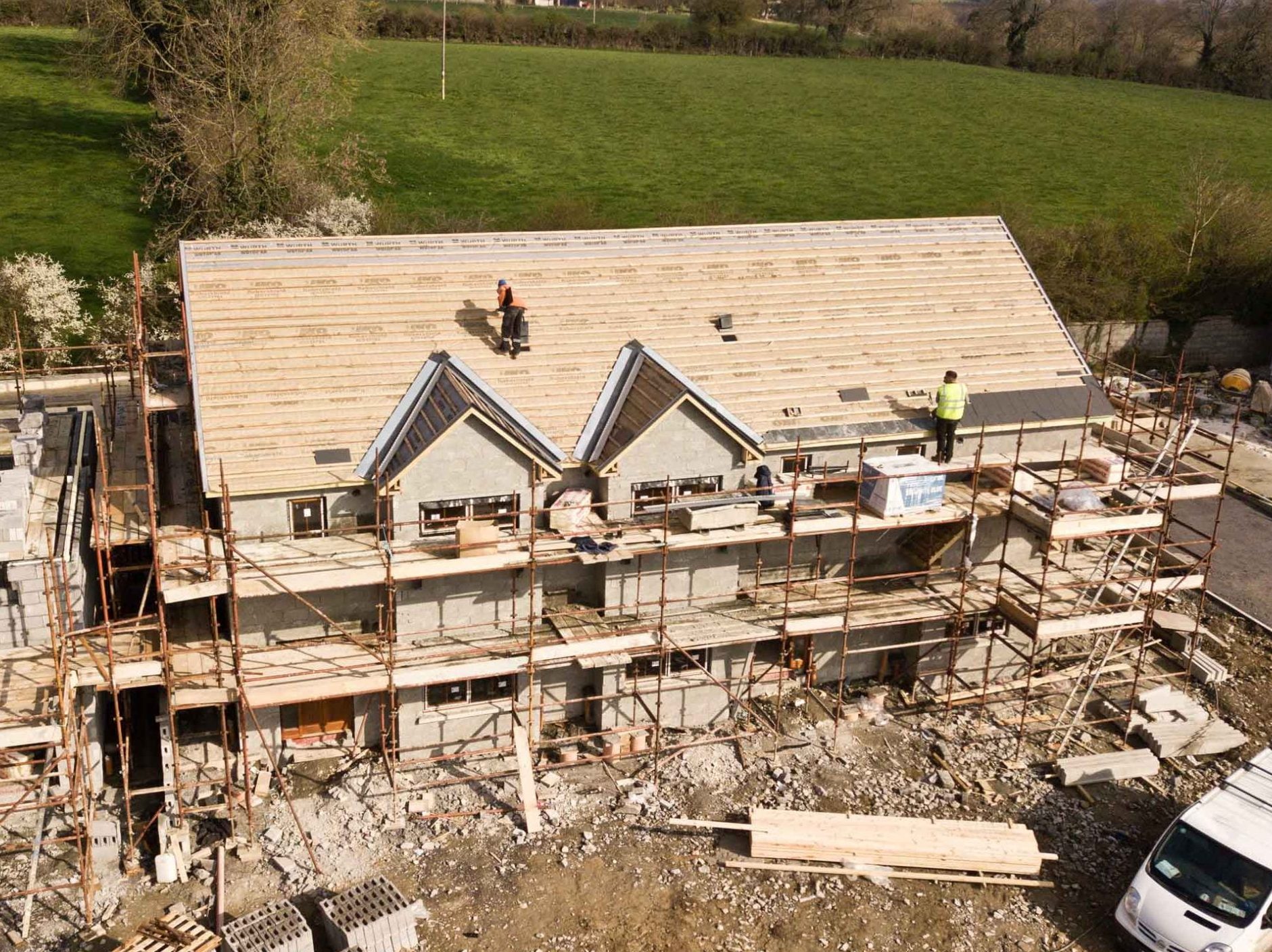
If you’re planning to build a new home or renovate an existing one, you might be wondering how to finance your project. One option to consider is a construction loan. In this comprehensive guide, we’ll take an in-depth look at what construction loans are, how they work, and what you need to know before applying for one.
1. What Are Construction Loans?
Construction loans are a type of financial arrangement used to fund the construction of a new building or major renovations on an existing structure. They are tailored to cover the costs of building or renovating a property, making them a suitable choice for individuals or businesses with property improvement projects in mind.
2. How Do Construction Loans Work?
Construction loans typically function as short-term loans intended to cover the costs of building or renovating a property. During the construction phase, these loans are structured as interest-only, meaning you’ll pay interest solely on the amount borrowed during this stage. Once the construction is finished, the loan can be converted into a standard mortgage, providing you with various options for repayment.
3. Benefits of Hard Money Construction Loans
So, what sets hard money construction loans apart and why should you consider them for your next project? Here are some of the key advantages:
- Flexibility: Hard money construction loans are renowned for their flexibility. They can be customized to meet your specific project needs, offering you greater freedom in executing your vision.
- Fast Funding: When it comes to construction projects, time is often of the essence. Hard money lenders, primarily interested in the property’s value, can expedite the funding process, ensuring your project gets off the ground quickly.
- No Need to Sell Your Current Property: Unlike traditional loans that may require you to sell a current property before obtaining financing, hard money construction loans can help you build a new property without the constraints of selling an existing one.
- Potential Tax Benefits: Depending on your situation and the structure of your loan, you may even enjoy tax benefits by deducting the interest paid on your hard money construction loan.
With the option of hard money construction loans, you can level up your construction or renovation project. These loans offer a unique combination of flexibility, fast funding, and potential tax benefits.
4. Phases of a Construction Loan
One distinctive feature of construction loans is that they often have two phases: the construction phase and the permanent loan phase.
- Construction Phase: During this phase, you receive funds to pay for the actual construction or renovation work. The interest-only structure means you only make interest payments on the borrowed amount during the construction phase.
- Permanent Loan Phase: Once the construction is complete, the loan transitions to a standard mortgage. This can involve paying off the construction loan or converting it into a traditional mortgage.
Short-Term Nature of Construction Loans
Construction loans are typically considered short-term loans, often with terms of a year or less. This short-term nature is designed to align with the duration of construction projects. However, this brevity means you’ll need to refinance or pay off the loan once construction concludes.
5. Key Elements of Construction Loans
Several key elements distinguish construction loans from traditional mortgages:
- Interest-Only Payments: During the construction phase, you’ll only make interest payments on the amount borrowed, which helps manage the initial financial burden while the property is being built.
- Variable Interest Rates: Interest rates on construction loans can be variable and are usually higher than traditional mortgage rates. These rates may fluctuate during the construction phase.
- Down Payment: Lenders often require a significant down payment or upfront deposit. You may need to contribute a substantial portion of the project’s cost before the lender releases funds.
- Loan-to-Value Ratio (LTV): Lenders may restrict the loan amount to a percentage of the project’s appraised value. This is known as the loan-to-value (LTV) ratio, which typically ranges from 75% to 80%.
- Creditworthiness: Lenders assess your creditworthiness before approving a construction loan. A good credit score and financial stability are crucial for loan approval.
Detailed Plans and Budget
To secure a construction loan, you’ll need to provide comprehensive plans for your construction or renovation project. These plans should outline the project’s scope, timeline, and cost estimates. The lender will use this information to evaluate the loan’s feasibility.
Builder and Contractor Requirements
Many lenders have specific requirements when it comes to builders and contractors involved in the project. These requirements often involve verifying licensing, insurance, and experience to ensure the construction is completed successfully.
Property Appraisal
Lenders typically require an appraisal of the property based on the completed project’s value. This appraisal is crucial in determining the final loan amount.
Ownership During Construction
If you already own the land where the construction will take place, it can often be used as part of your down payment. This aspect can provide more flexibility in the financing of your project.
Lender Options
Construction loans can be provided by various financial institutions, including traditional banks, credit unions, or specialized construction loan lenders. Choosing the right lender is essential to secure favorable terms for your loan.
Project Monitoring
To protect their investment, many lenders monitor the construction project’s progress to ensure the funds are used for the intended purpose. This can include site visits and progress assessments at key project milestones.
Understanding the Risks
As with any financial arrangement, construction loans come with potential risks. These include:
- Higher Interest Rates: Construction loans typically come with higher interest rates than traditional mortgages. This can make them more expensive in the long run.
- Short-Term Loans: As short-term loans, construction loans necessitate either refinancing or paying off the loan once the construction is complete. This transition adds an additional layer of complexity.
- Higher Fees: Hard money lenders may charge higher fees than traditional lenders, such as origination fees, processing fees, and prepayment penalties.
6. Eligibility for a Construction Loan
To qualify for a construction loan, you must meet certain requirements, including:
- Good Credit: Like any loan, a construction loan will require you to have good credit. Most lenders will look for a credit score of at least 680.
- Down Payment: You’ll typically need to make a down payment of at least 20% to qualify for a construction loan.
- Detailed Plans and Cost Estimates: You’ll need to provide detailed plans and cost estimates for the project, including a timeline for completion.
- Experience: If you’re acting as your own general contractor, you’ll need to have experience in the construction industry.
Conclusion
Construction loans offer flexibility, interest-only payments during the construction phase, and potential tax benefits. These loans can be an excellent choice for financing your building or renovation project. However, they also come with higher interest rates, shorter terms, and higher fees. If you’re considering a construction loan, be sure to conduct thorough research and work with a reputable lender to navigate the process successfully.
If you’re looking to maximize your time and profits as a real estate investor, consider a hard money loan from Metro Private Lending. With fast approval and funding, you can quickly purchase and renovate a property and resell it for a profit. Contact us today at 602-699-3501 or email Christopher@metro-az.com to learn more, or visit our website at https://metroprivatelending.com to start your application.